
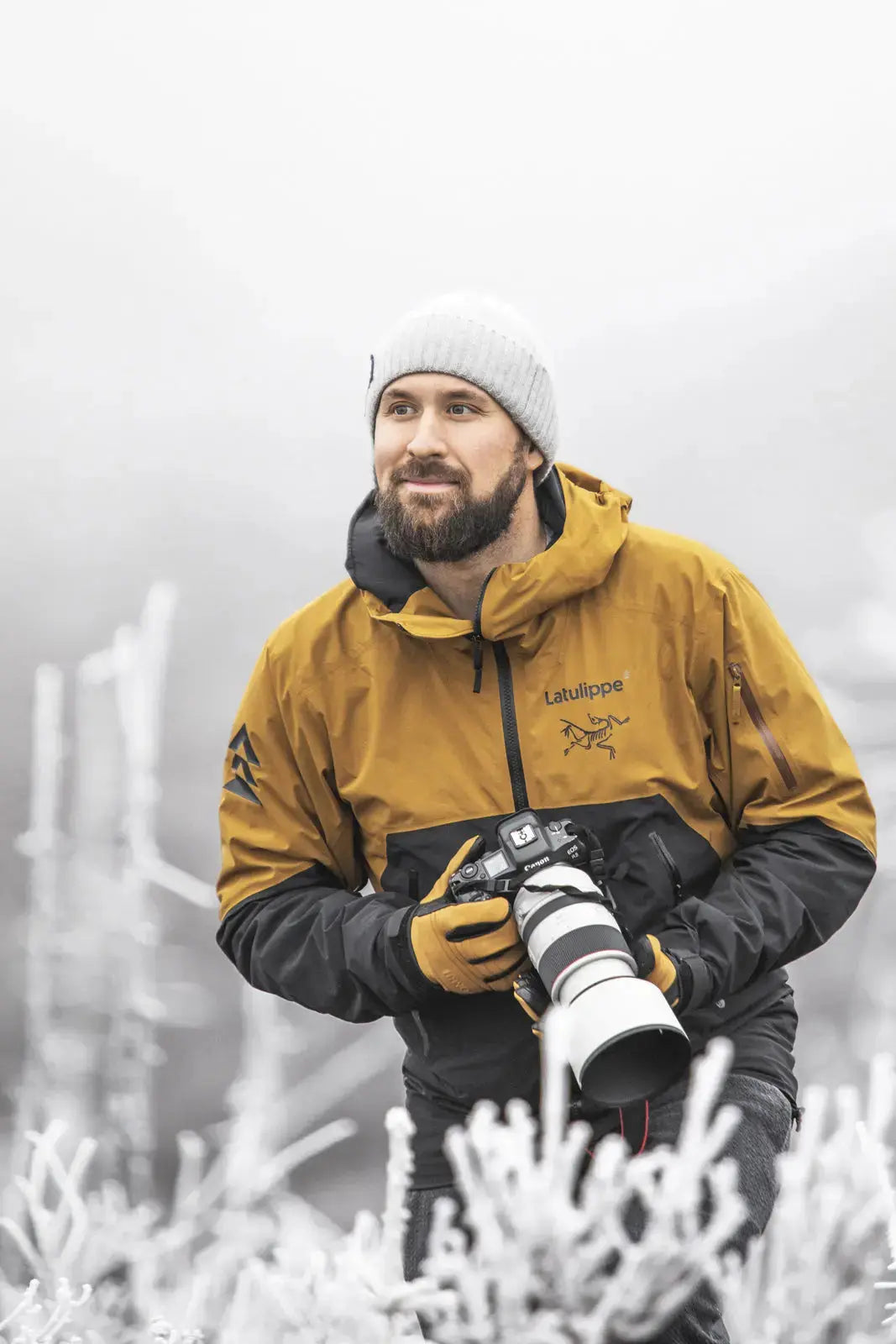
Wildlife photography is much more than just a quest for beautiful shots. It plays a crucial role in raising awareness for conservation and highlighting biodiversity. However, this practice requires a rigorous ethical approach to protect the well-being of animals and the sustainability of their natural habitats. In this article, you will discover how to photograph wildlife while respecting its balance, minimizing negative impacts, and positively contributing to the relationship between humans and nature.
Understanding the Importance of Ethical Wildlife Photography
Wildlife photography is a powerful tool for conservation and education. It helps raise public awareness of environmental issues by telling natural history through images. An ethical approach is essential to preserve animal welfare and ensure the sustainability of wild environments. Without this awareness, actions can disrupt natural behaviors, cause stress, or even damage protected habitats. The photographer is responsible for limiting their impact, aware of the interconnectedness between living beings and fragile environments.
Knowing Your Subject: Observation and Prior Study
To practice deeply ethical photography, it is essential to know the animal you are trying to photograph well. Patient observation and prior study of behavior, habitats, and feeding habits are paramount. This knowledge will help you recognize signs of stress and avoid unnecessary disturbance. You can enrich your knowledge through specialized guides, naturalist training, and reliable resources. Unlike an impulsively taken photo, careful observation makes all the difference in capturing authentic and respectful moments.
Photography Techniques Adapted to Wildlife Respect
The techniques employed should always aim to minimize disturbance. Hiding and stalking, through their discretion, allow for approaching without scaring the animal. The use of a powerful zoom is recommended to maintain a safe distance while capturing sharp details. Fast shutter speed settings and bracketing techniques help to obtain quality shots without making sudden movements. A tripod provides essential stability during long, silent waits, ensuring precise and respectful images.
Managing Natural Light for Authentic Shots
The soft light of golden hours, at sunrise or sunset, enhances wildlife while respecting its environment. Avoiding harsh midday light protects the animal from unnecessary stress and maintains a natural ambiance in your photos. Using a polarizing filter reduces reflections and enriches colors without artifice. Contrast management, particularly through bracketing, perfectly balances light and dark areas, highlighting the details and depth of the captured scenes.
Respecting Safety Distance and Limiting Disturbance
A fundamental principle in ethical photography is never to get too close to your subject. Maintaining a safe distance prevents stressing the animal and avoids habituation phenomena. It is crucial to learn to recognize signs of stress and distress calls that indicate you are disturbing the animal. Such disturbances can lead to serious consequences such as fleeing, temporary separation of young, or nest abandonment. To limit the impact, it is therefore advisable to shorten observation time and prioritize discreet and sober gestures.
Why Absolutely Avoid Baiting and Invasive Techniques?
Baiting is a dangerous practice that creates food dependence and harmful habituation in animals. It distorts their natural behavior, leading to a loss of wariness towards humans, as well as increasing aggression. These abnormal behaviors can lead to severe interventions, such as euthanasia. For example, artificially fed black bears become unpredictable and dangerous. In addition to being morally reprehensible, baiting is prohibited by law in many regions to protect wild fauna.
Photographing in Protected Habitats: Rules and Know-How
Protected areas harbor sensitive environments where regulations are strict to preserve biodiversity. It is imperative to inquire thoroughly before any outing to respect these rules. The principle of non-interference must guide your actions by letting nature take its course without intervention. Stay on trails, avoid disturbing vegetation, and never alter the environment. Adopting responsible behavior preserves both local species and the habitats we are fortunate enough to observe.
Protecting Your Equipment in Extreme Wilderness
Extreme conditions, especially in Quebec, expose your equipment to significant risks: intense cold, humidity, and thermal shocks can damage cameras and lenses. To avoid condensation, the "decompression chamber" technique consists of gradually isolating the equipment during temperature changes. Keep batteries warm in your pocket or insulated pouches as their autonomy decreases rapidly in the cold. Good preparation is essential to prevent your equipment from failing you in the middle of a session.
Telling a Powerful Story: Beyond a Simple Image
Wildlife photography is not limited to capturing an isolated animal; it tells a story connecting the subject to its habitat. Environmental framing adds context and depth, offering a better understanding of wildlife. Look for authentic moments, interactions, or emotions to create memorable shots that move the viewer. Choose the scenes you share judiciously, with an ethical concern, to raise awareness without disturbing or overly embellishing reality.
Specific Challenges of Wildlife Photography
Photographing wildlife presents numerous challenges: unpredictable behavior, aggression during mating season, or difficult conditions like cold, mud, and insects. The photographer must be physically and mentally prepared to face these obstacles. Patience and respect are necessary to overcome these difficulties while preserving natural balance. Conversely, an unthinking approach can cause stress to the animal and expose the photographer to dangers related to unexpected reactions.
Managing Publications: Protecting the Animal After the Shot
Geotagging, or its revelation through reverse geotagging, can expose locations frequented by vulnerable species to a massive and disruptive influx. To protect these environments, blur the background, avoid any visible geographical clues in your images, and disable location on your devices. Share your photos responsibly to avoid a call effect that could threaten fragile habitats. This approach is part of a global ethic that protects the animal even after the shot.
Photographing Out of Passion and Sharing Knowledge
Sincere motivation is the driving force behind authentic and respectful wildlife photography. Continuously educate yourself on animal behaviors and ethical techniques to progress. Share your knowledge and experiences to raise public awareness of wildlife conservation and respect. By doing so, you become a committed actor and an ambassador of the fragile link between humans and nature, contributing to its protection and enhancement.
Acting for Conservation: Giving Back to Nature Through Photography
Photography can be a powerful lever for conservation. By highlighting ecological issues, you support initiatives through donations, volunteering, or advocacy. Education through images raises awareness among a wider audience about the fragility of species and habitats. Beyond a simple shot, engagement contributes to a lasting positive impact. It is a collective responsibility to preserve our common natural heritage, for future generations and the entire planet.
Practical Tips for a Successful and Respectful Photography Experience
Prepare your equipment well and plan your outings during ideal light hours, especially the golden hours. Dress according to the weather to stay independent and comfortable. Practice patience and listen attentively to the environment, always letting the animal choose the encounter. Avoid intrusive behaviors: no flash, no loud noises, or sudden movements. Learn to read signs of stress and adapt your behavior to reduce your footprint. Finally, maintain a humble and grateful attitude towards the nature you are lucky enough to be close to.
2026 Perspectives: Evolving Towards More Conscious Wildlife Photography
In the future, wildlife photography will evolve towards more ethics, sustainability, and responsibility. New technologies, such as powerful lightweight zooms or ethical drones, make it possible to reduce impact while capturing unprecedented images. Adopt a mindset focused on awareness before the quest for the perfect shot. This essential commitment contributes to the protection of our common natural heritage and a harmonious relationship with wildlife and the surrounding nature.