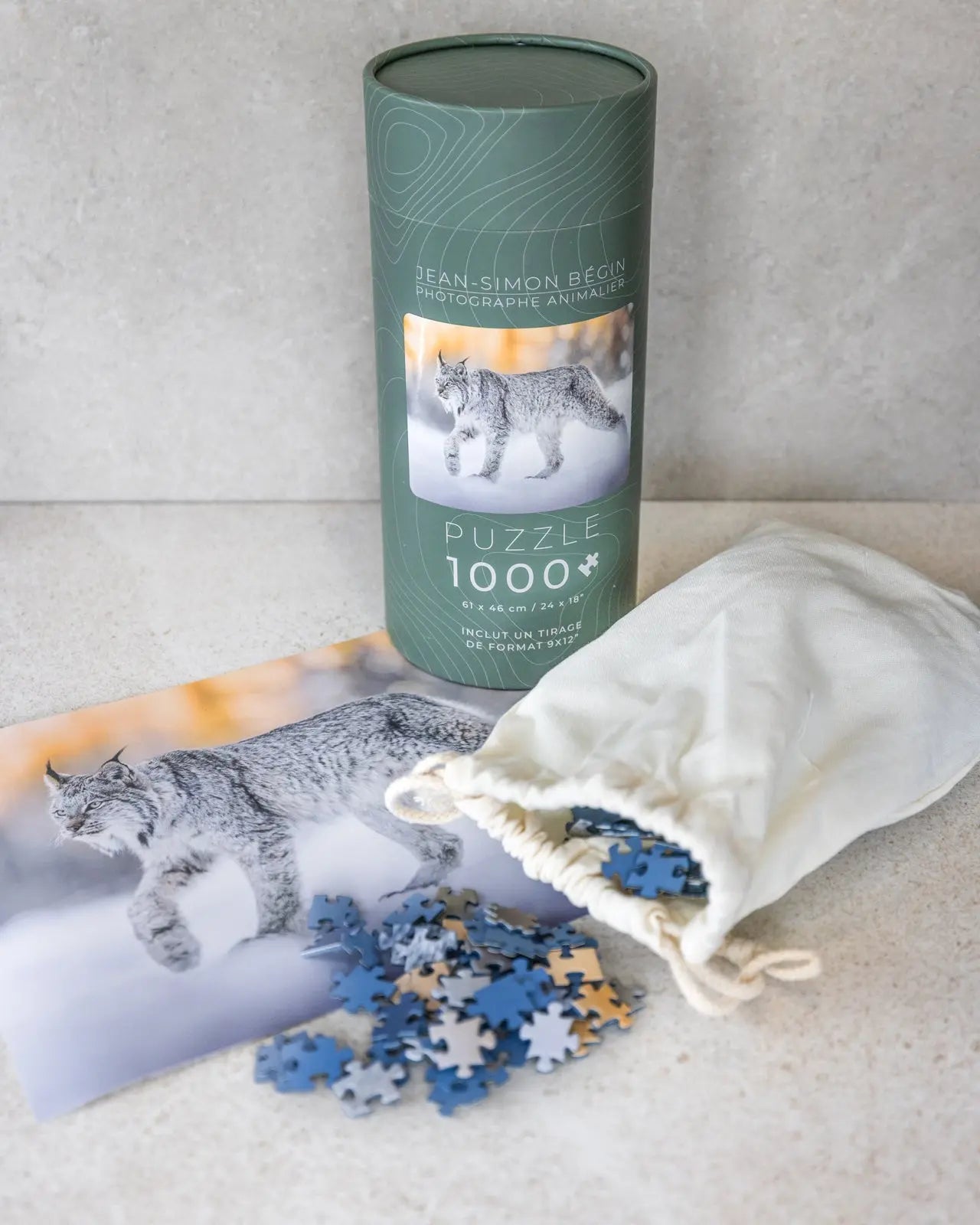
Wildlife photography is much more than a simple passion: it’s a powerful way to capture the beauty of nature while raising public awareness about species protection. Whether you are an amateur or a beginner, mastering specific wildlife photography tips will allow you to improve your photos and tell compelling visual stories. This article guides you through proven techniques, tips for rapid progress, and essential ethical considerations for a respectful and artistic practice.
Why specialize in wildlife photography?
Wildlife photography is an art that combines technique, patience, and a love for nature. It plays a crucial role in raising awareness about biodiversity and conservation. By developing your knowledge of animals' natural behavior, you increase your chances of capturing powerful and authentic images. This specialization allows you to achieve unique results, creating a strong connection with your subject through the lens. Beyond technique, wildlife photography encourages you to respect animal welfare and adopt an ethical approach, thus fostering a balance between shooting and preserving protected habitats. Patience and understanding are your best allies for progressing in this fascinating world.
Preparation: knowing your equipment and your subject
Mastering the basic functions of your camera is essential before any field trip. Familiarize yourself with settings such as shutter speed, focus, and correct exposure to better control your images. At the same time, learn about the animal species near you: understanding their natural behavior optimizes your chances of success. Equipment plays a key role: a telephoto lens allows you to get close without disturbing, while a sturdy tripod or gimbal head ensures stability, essential with long focal lengths. To start, prioritize accessible and compact equipment that easily accompanies you on your outdoor excursions, especially if you appreciate the simplicity and durability of practical accessories.
1. Adopt an animal-level point of view
Taking the animal's point of view enhances visual connection and highlights the subject. Avoid high-angle shots that can flatten the perspective or appear distant. For example, for a small mammal or a bird, getting down to ground level often reveals intimate details and a reinforced natural atmosphere. This creates a deeper field immersion for the viewer. To do this, learn to lower yourself gently, without abrupt movements or noise. Using a mat or cushion can help you position yourself discreetly. This perspective offers a true window into the world of your subjects, revealing their natural behavior in an authentic setting.
2. Master shutter speed for sharp images
Shutter speed is a key factor in avoiding motion blur, especially with long lenses that amplify camera shake. The general rule requires a shutter speed at least equal to the focal length used (for example, 1/500s for a 500mm lens). In low light conditions, increase the ISO sensitivity to compensate without sacrificing sharpness. A stabilized lens provides valuable assistance, but its limits appear when facing fast or erratic subjects. Always adjust your speed to the animal's behavior: a fast-flying passerine will require a much higher speed than a stationary deer. Mastering this setting significantly improves the final quality of your shots.
3. Focus on the eyes to create a connection
Sharp eyes are key to capturing the viewer's attention and establishing an emotional connection with the subject. Focus precisely on the eye closest to the lens. Depending on the size of the subject in the frame, judiciously select the autofocus points: central points offer better precision, while off-center ones facilitate composition according to the chosen viewpoint. For a tight portrait, sharpness on the eyes is essential; for an ambient photo with a smaller subject, focusing on a wider area can be considered. Prioritize a semi-automatic or manual mode to maintain control, thus avoiding automation that can disappoint in complex situations.
4. Shoot in RAW to allow for post-processing flexibility
Shooting in RAW rather than JPEG allows you to recover details in shadows and highlights, offering more leeway to correct exposure. This format retains all the richness of the captured data, essential for developing professional quality photos. Adopt a simple post-processing routine to optimize your images without overburdening your workflow. To manage disk space and limit computer slowness, you can combine RAW+JPEG shooting, facilitating a quick preview and later development. Post-processing does not replace a good shot, but it complements your approach by enhancing your images.
5. Harness natural light during golden hours
Sunrise and sunset light is a prime ally in wildlife photography. These moments offer soft, warm light and long shadows ideal for creating an intimate atmosphere. We often talk about a very specific time window because this period is short, requiring organization and anticipation. Position yourself so that the subject is illuminated with the subject between you and the sun or explore backlighting for a silhouette effect or luminous halo. Use spot metering and memorize a correct exposure to manage delicate contrasts. Mastering this light truly creates images that tell a story and express a perceptible emotion.
6. Carefully choose and simplify your background
A uniform background plays a major role in highlighting your subject. Choose your positioning carefully based on the background elements, avoiding overly busy areas such as sharp branches or distracting objects. Slightly adjust the shooting angle to achieve a blurred background through a reduced depth of field, which enhances the readability of the image. A harmonious background helps direct attention to the main subject, making your wildlife photos more impactful and aesthetic.
7. Blend into the environment: camouflage and discretion
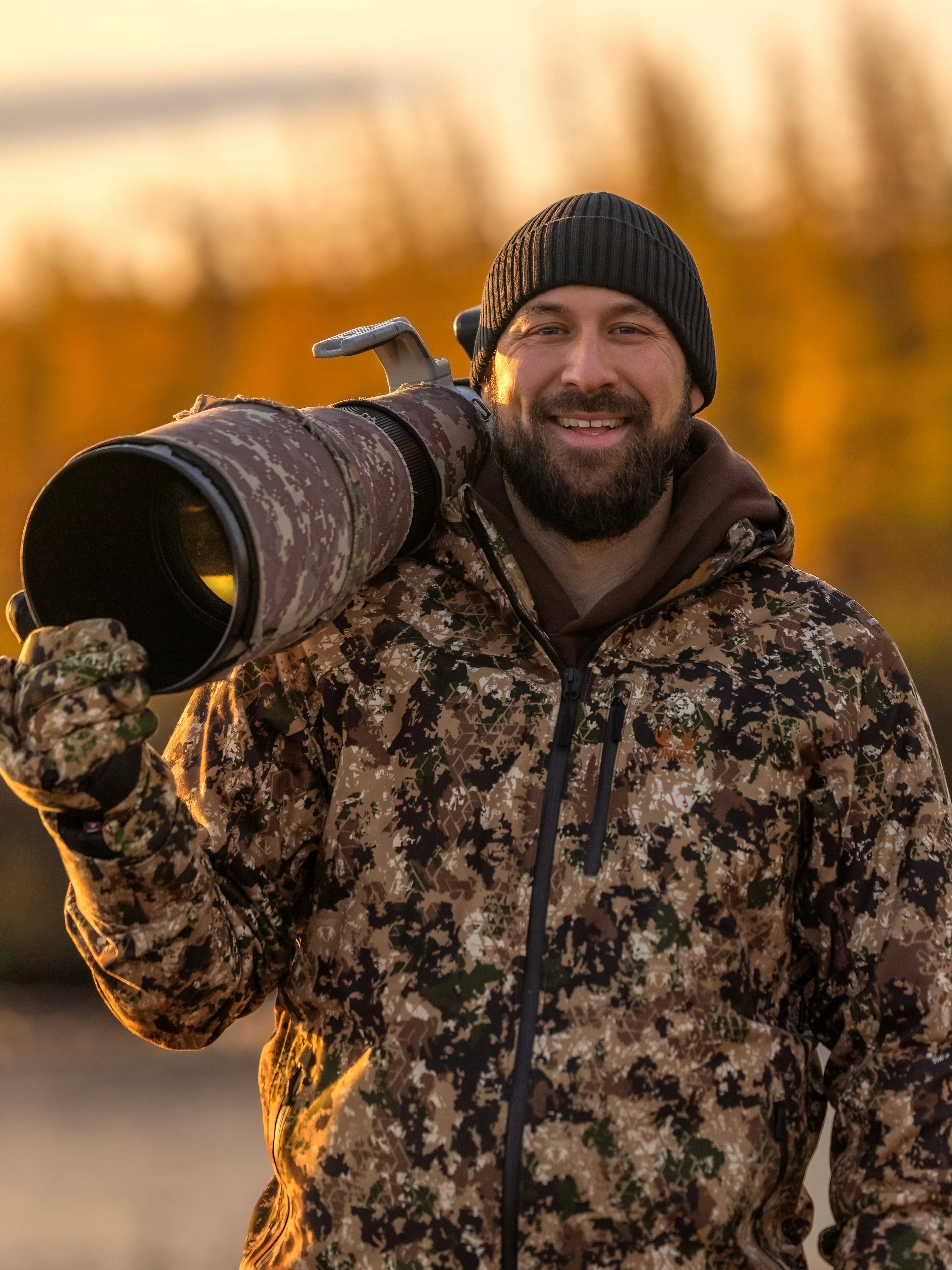
Being invisible is essential to capturing natural behavior and avoiding disturbing the subject. Wear neutral-colored clothing that blends into the background and adopt slow, controlled movements. Knowing the habits of your target species allows you to anticipate their reactions and approach them without stress. Always respect animal welfare: avoid noise, vibrations, and any form of excessive intrusion. Setting up a discreet hide or using a powerful zoom are techniques to stay immersed in the field without disturbing. This discretion contributes both to the quality of the result and to the preservation of the ecosystem.
8. Patience and perseverance: keys to success in wildlife photography
Patience is the primary virtue that every wildlife photographer must cultivate. Knowing how to wait for the right moments, often at the cost of long hours of observation, allows you to capture rare or powerful scenes. Repeated outings help you to better know your subjects and anticipate their behaviors, thus favoring the ideal shot. Learn to accept failures or missed shots as an integral part of the learning process. Each session then becomes an opportunity to progress. Many iconic shots come from prolonged waits rewarded by unique moments.
9. Choosing your subjects: local species and nearby opportunities
Photographing local species facilitates regularity in practice by limiting logistical constraints. Explore forests, parks, and gardens near you to spot common but fascinating species. Becoming a specialist in one species or habitat allows you to create more intimate, precise, and in-depth images. To optimize your scouting, use tools like Geoportail or wildlife tracking applications. This approach promotes sustainable practice rich in discoveries, while contributing to documenting accessible wildlife.
10. Photographing ethically: respecting animals and habitats
Responsible wildlife photography requires strict respect for animals and their environment. Never using bait or lures helps avoid disturbances and ensures a healthy natural environment. Respect the rules imposed in protected habitats: do not enter illegally and leave no impact on the ground or vegetation. This ethic guarantees the sustainability of sites and the safety of species. Ethical photography is a long-term approach that values nature and encourages it to continue inspiring, while raising awareness of its fragility.
11. Using composition to tell a story
Composition is a powerful tool for giving meaning to your images. Adopt a thoughtful point of view that enhances the subject while integrating background elements without letting them become distractions. Use the rule of thirds to place your subject and leading lines to guide the eye. Empty spaces contribute to visual balance and help highlight the animal's movement or gaze direction. Always seek to capture a subject you love by giving it a narrative dimension. Thus, your photos tell a story, awaken curiosity, and convey a lasting emotion.
12. Seek originality and the unexpected in your shots
Surprising with rare behavior or a new perspective distinguishes your work. Study existing images to identify common clichés to avoid. This critical approach pushes you to explore new angles, times of day, or daring framing. Experiment with different treatments and be on the lookout for the unexpected, often in the details of animal behavior or interactions with the environment. Developing your own style contributes to expressing your sensibility and building a personal photographic culture in the very diverse field of wildlife photography.
13. The importance of photographic culture and continuous training
To progress quickly, feed on the experiences of other photographers and other visual disciplines. Studying the biology and ecology of the subjects will help you anticipate their attitudes and better prepare your outings. Sharing your knowledge in specialized forums, attending workshops or masterclasses opens you to new techniques and visions. Books, tutorials, and exchanges enrich your journey and stimulate your creativity. Photographic culture is not fixed: it evolves with practice and curiosity, which remain the essential drivers of your progress.
14. Contribution to conservation through photography
Wildlife photos are a powerful lever for raising public awareness of environmental issues. Through your images, you can highlight the beauty of species but also the threats they face, such as pollution or habitat degradation. Many conservation projects rely on the work of wildlife photographers to communicate and mobilize. Use your visibility responsibly to convey committed messages, thus contributing to conservation efforts while valuing biodiversity.
15. Developing your artistic approach and personal style
The path to a personal style involves experimenting with various treatments, framing, and subjects. Technical mastery must always serve your sensibility and the emotion you wish to convey. Don't just document, but tell your own visual story, the one you are passionate about. Resist the pressure of trends or popularity to favor an authentic and lasting approach. Gradually, you will develop a recognizable photographic identity, a reflection of your unique gaze.