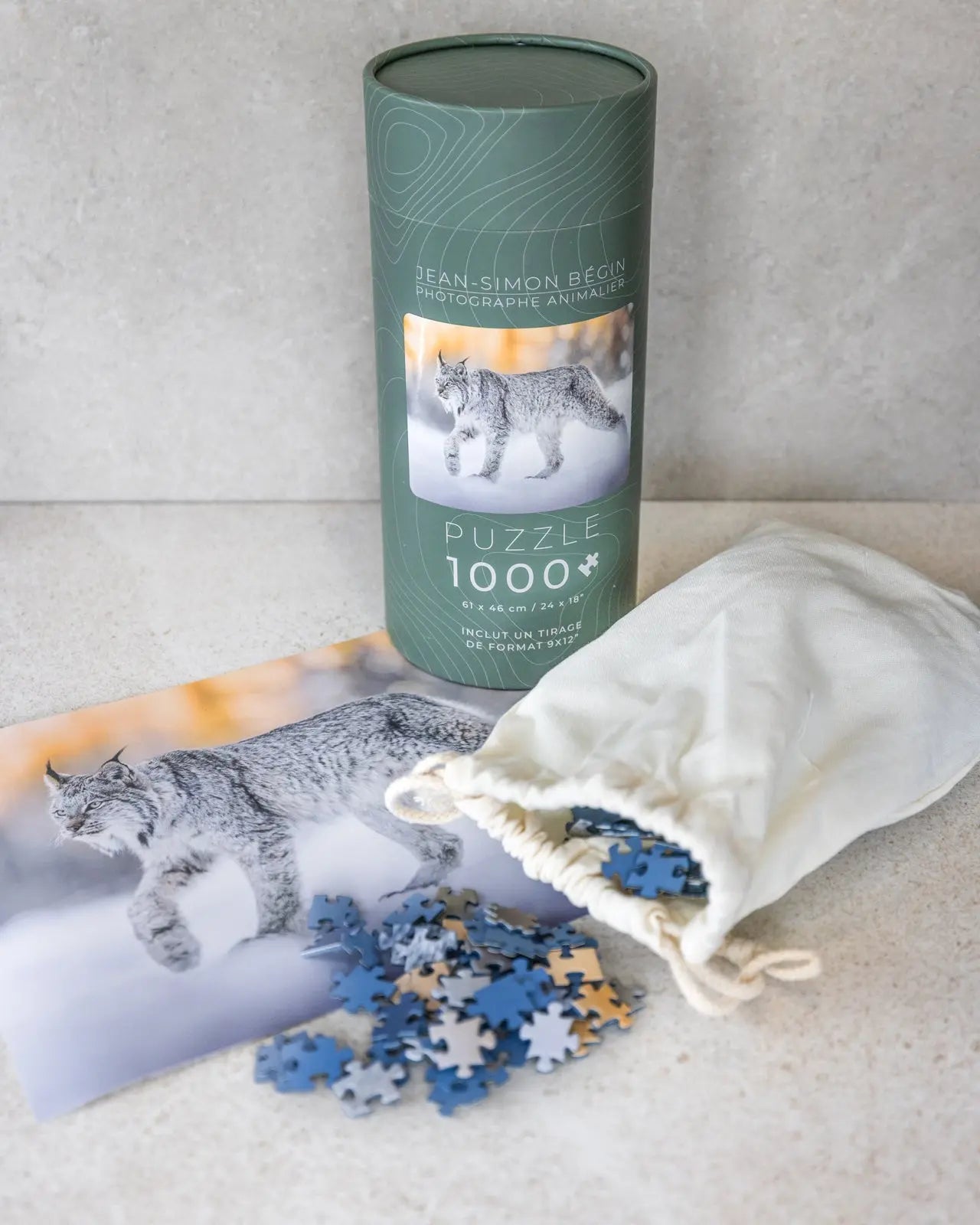
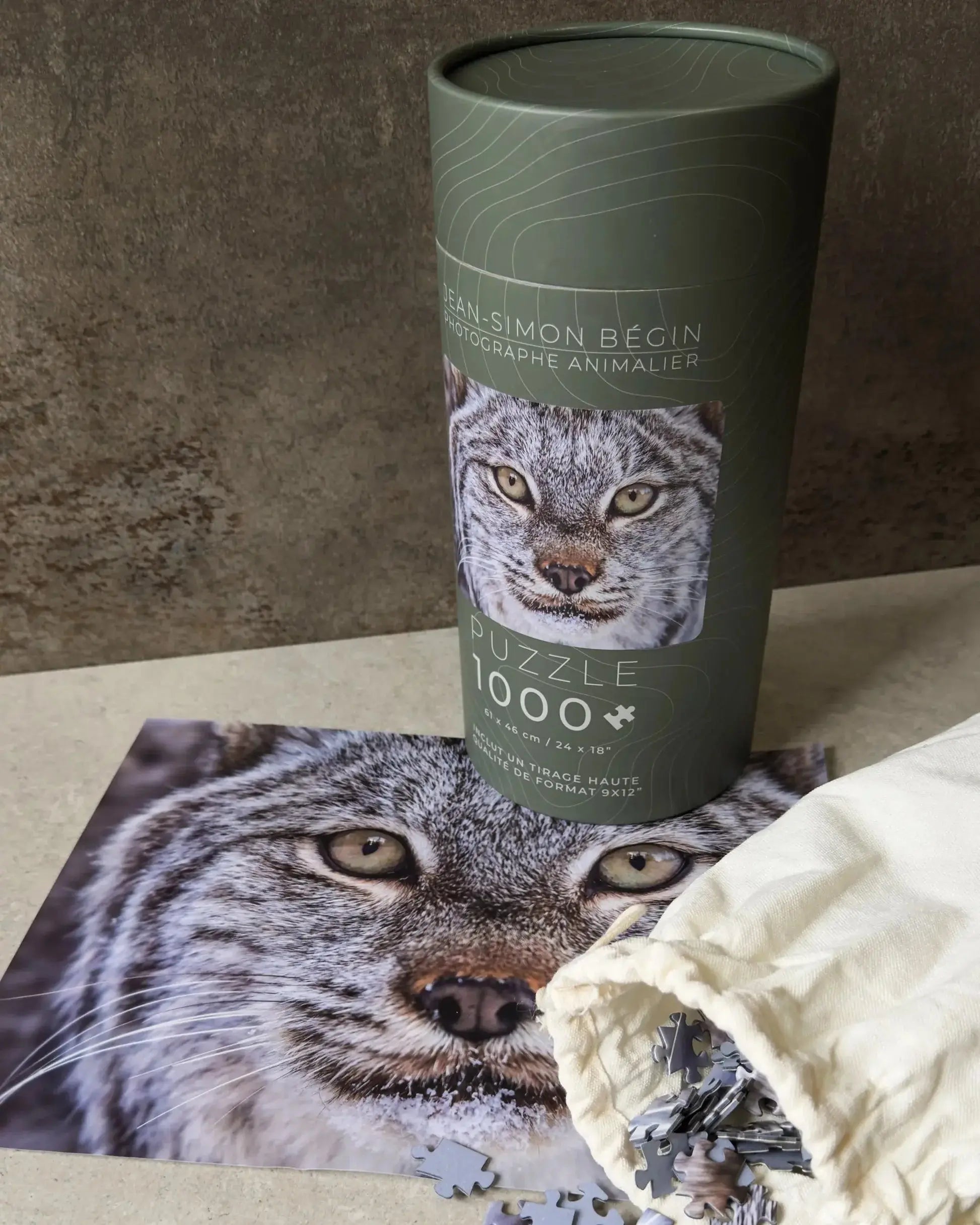
1000-piece jigsaw puzzles are experiencing an impressive resurgence in popularity. Whether it's to relax after a busy day, reduce stress, or simply enjoy a quiet moment away from screens, puzzles have become a must-do activity.
But when it comes to choosing a 1000-piece puzzle, one quickly realizes that not all products are created equal. Print quality, cardboard sturdiness, cutting precision, or even the artistic value of the image... several elements can transform a simple activity into a truly immersive experience.
In this article, I explain how to choose a good 1000-piece jigsaw puzzle and why some puzzles offer a significantly superior experience.
Why are 1000-piece puzzles so popular?
The 1000-piece format represents an ideal balance between challenge and enjoyment.
It is complex enough to offer several hours of assembly, yet remains accessible to most puzzle enthusiasts. This format also allows for full appreciation of the final image, which becomes almost a work of art in itself once completed.
The benefits are numerous:
-
improved concentration
-
stimulation of visual memory
-
stress reduction
-
perfect activity to do alone, as a couple, or with family
It's also an activity that reconnects us with something simple: taking our time.
Cardboard quality: an essential criterion
When choosing a quality puzzle, the first thing to consider is the material used.
Thin or fragile cardboard can quickly become frustrating. Pieces bend, delaminate, or wear out after a few uses.
A good puzzle should offer:
-
thick and rigid cardboard
-
excellent resistance to handling
-
rich color saturation
High-end puzzles are often made with premium cardboard like Pretium Blueboard, recognized in the industry for its strength and the richness of colors it allows to achieve.
Quality cardboard completely transforms the assembly experience.
Cutting precision: what makes all the difference
Another often overlooked factor is the quality of the piece cut.
On lower quality puzzles, pieces can be:
-
poorly cut
-
too similar to each other
-
difficult to assemble
Precise cutting, on the other hand, allows for:
-
smooth assembly
-
pieces that fit perfectly
-
a solid and satisfying final result
When the pieces fit perfectly, assembly becomes much more enjoyable and the final image is crisp and stable.
The importance of the image in a puzzle
A puzzle is first and foremost a visual experience.
An image that is too uniform or poorly printed can make assembly monotonous. Conversely, a photograph rich in textures, contrasts, and colors creates a much more immersive experience.
Puzzles inspired by nature and wildlife are particularly appreciated for this reason. Variations in light, landscapes, and animals make assembly more dynamic.
A strong image transforms a puzzle into a true moment of contemplation.
The details that make a high-end puzzle
Some puzzles go further by offering additional elements that enrich the experience.
For example:
-
a sturdy and elegant box
-
a reusable bag for storing pieces
-
a print of the original image
These small details may seem secondary, but they completely change the perception of the product. We are no longer just talking about a puzzle, but about a durable and well-designed object.
A puzzle that combines art and relaxation
When the image comes from a photographic or artistic work, the puzzle takes on an extra dimension.
Once completed, it almost becomes a decorative object. Many enthusiasts even choose to frame their puzzle once finished.
This approach transforms the activity into something deeper: a moment of relaxation that also allows for the appreciation of a visual work.
Why Jean-Simon Bégin's puzzles stand out
The jigsaw puzzles created by Jean-Simon Bégin have been designed to offer a complete experience.
Each model is designed around a powerful and immersive nature image, captured during many years spent traversing the wild territories of Quebec.
Here's what sets these puzzles apart:
Premium Cardboard
The puzzles are made from Pretium Blueboard, a high-end cardboard known for its strength and color depth.
High-Precision Cut
Each piece is perfectly adjusted to provide smooth and satisfying assembly.
Reusable Cotton Bag
The pieces come in a durable cotton bag, convenient for storage.
Original Artwork Print
Each box contains a 9 × 12 inch paper print of the original image, allowing for full appreciation of the photograph.
These details make all the difference between a simple puzzle and a product designed to last.
Discover the "Loon" puzzle
Among the most popular models, the Loon puzzle immerses the player in an emblematic natural scene of Quebec.
The loon, a symbol of northern lakes, is captured in a calm and immersive atmosphere. The nuances of the water, the textures, and the composition make the assembly particularly enjoyable.
You can discover all the specifications of the puzzle directly on the online store:
👉 https://jeansimonbegin.com/products/casse-tete-huard
The puzzle: a timeless activity
In a fast-paced world, puzzles remind us of the importance of slowing down.
Assembling a 1000-piece jigsaw puzzle means taking the time to observe, reflect, and enjoy a simple moment.
And when this puzzle is also a work inspired by nature, the experience becomes even richer.
If you are looking for a puzzle that combines quality, art, and immersion, you can discover the entire collection directly on the store:
👉 https://jeansimonbegin.com/pages/boutique